

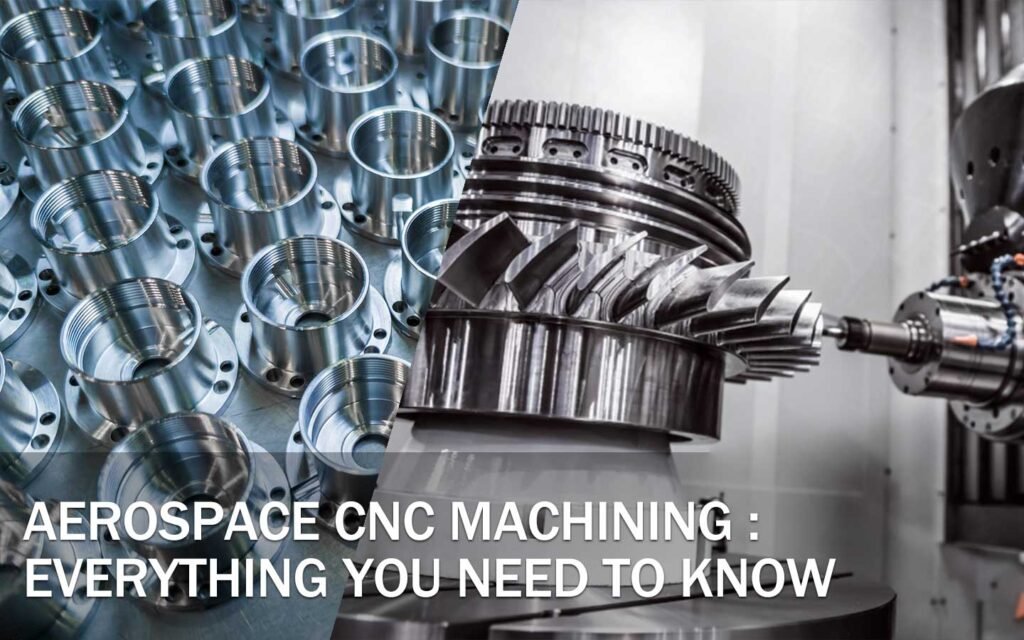
Aerospace manufacturers face the critical challenge of producing parts with extreme precision and reliability. Failure can lead to catastrophic consequences, like aircraft crashes or space mission failures. CNC machining provides a solution with unmatched accuracy and consistency.
Aerospace CNC machining is a precision manufacturing process using computer-controlled tools to craft high-quality, complex parts for aircraft and spacecraft, ensuring safety and performance excellence.
Discover how this technology transforms aerospace manufacturing below.
What is Aerospace CNC Machining?
Aerospace CNC machining is a cutting-edge manufacturing process that leverages computer numerical control (CNC) technology to create precision parts vital for the aerospace industry. This technique uses computer-guided machines to remove material from a workpiece, shaping it into intricate designs with exceptional accuracy and repeatability. For aerospace parts manufacturing companies, where safety and performance are non-negotiable, CNC machining of aerospace parts ensures components meet rigorous standards.
The aerospace sector demands parts with complex geometries, tight tolerances, and flawless finishes—requirements that traditional methods struggle to fulfill, often increasing costs and delays. CNC machining in aerospace overcomes these hurdles through automation, precision, and adaptability. It crafts components like turbine blades, engine parts, and structural supports with minimal human error, ensuring uniformity across batches—an essential trait for any CNC machining aerospace parts manufacturer.
This process also excels in handling diverse materials, such as lightweight aluminum, durable titanium, and advanced superalloys, critical for aerospace applications. Aerospace machining requires materials that balance strength, weight, and resistance to extreme conditions, and CNC technology delivers precise shaping to meet these needs. Whether for prototyping or mass production, its versatility supports aerospace part manufacturers in optimizing designs and performance.
Efficiency and cost-effectiveness further define CNC machining parts in aerospace. Automation slashes labor costs and material waste, while continuous operation speeds up production, key for an industry racing against tight timelines. From small CNC aerospace parts to large assemblies, this technology ensures that machining aerospace parts is both economical and reliable.
In essence, aerospace CNC machining is the backbone of modern aerospace production, delivering high-quality, dependable components that uphold safety and efficiency standards across aircraft and spacecraft manufacturing.
What are the Benefits of Using CNC Machining for Aerospace Parts?
CNC machining of aerospace parts offers a suite of advantages that make it indispensable for aerospace parts manufacturing companies. Its standout benefit is unparalleled precision, essential when tolerances are measured in microns. This accuracy ensures CNC aerospace parts fit and function perfectly, bolstering aircraft and spacecraft safety.
Repeatability is another hallmark of CNC machining aerospace. Once programmed, CNC machines produce identical parts consistently, regardless of volume, a critical factor for aerospace part manufacturers, ensuring every component meets exacting standards. Automation minimizes human error, enhancing reliability in machining aerospace parts and reducing costly rework.
Design flexibility sets CNC machining parts apart in aerospace. It tackles complex geometries and intricate details unattainable with conventional methods, supporting innovative designs that optimize performance and reduce weight. Quick reprogramming also makes it ideal for prototyping and adapting to new CNC machining aerospace parts manufacturers’ demands.
Efficiency drives further value. Automated aerospace machining cuts labor costs and boosts production speed, meeting tight deadlines—a priority for aerospace parts manufacturing companies. Precise material removal reduces waste, promoting sustainability and cost savings in CNC machining aerospace parts production.
Material versatility rounds out the benefits. From aluminum to titanium and superalloys, CNC machining aerospace handles the diverse, high-performance materials aerospace demands. This adaptability ensures aerospace part manufacturers craft components that endure extreme conditions, enhancing durability and safety.
In summary, aerospace CNC machining delivers precision, repeatability, flexibility, efficiency, and material compatibility—key pillars supporting the quality and reliability of CNC aerospace parts in aerospace manufacturing.
What Materials Are Used in Aerospace Machining?
Aerospace CNC machining relies on a range of materials tailored to meet the aerospace industry’s strict performance, weight, and durability needs. Below are the key materials used by aerospace parts manufacturing companies:
Carbon Steel
Carbon steel is prized in aerospace machining for its strength and affordability. Used in landing gear and structural components, it offers durability but is heavier, limiting its use where weight is critical. Its machinability suits CNC machining parts production.
Brass
Brass, a copper-zinc alloy, brings corrosion resistance and conductivity to CNC machining aerospace parts. Ideal for fittings and fasteners, it’s easy to machine and withstands harsh environments—perfect for aerospace part manufacturers seeking cost-effective solutions.
Bronze
Bronze excels in aerospace CNC machining with its wear resistance and strength. Used in bushings and bearings, it handles friction well, ensuring longevity. Its machinability supports precise CNC aerospace parts production.
Copper
Copper’s thermal and electrical conductivity shines in machining aerospace parts like heat exchangers. Though less strong, its corrosion resistance and precision via CNC machining aerospace make it vital for specific applications.
Aluminum and Aluminum Alloys
Aluminum alloys (e.g., 6061, 7075) dominate CNC machining aerospace parts for their lightweight and strength-to-weight ratio. Used in fuselages and engines, they enhance fuel efficiency, with aerospace machining ensuring precision.
Titanium and Titanium Alloys
Titanium offers strength, low density, and corrosion resistance for CNC aerospace parts like engine components. Challenging to machine, CNC machining aerospace masters its precision, vital for aerospace parts manufacturing companies.
Inconel Superalloys
Inconel withstands extreme heat and corrosion, ideal for turbine blades in aerospace CNC machining. Its hardness demands advanced CNC machining parts techniques, ensuring performance under stress.
Engineering Plastics
Plastics like PEEK and nylon provide lightweight, corrosion-resistant options for machining aerospace parts. Used in interiors and insulators, CNC machining of aerospace shapes them precisely for cost-effective solutions.
These materials, shaped by CNC machining aerospace parts manufacturers, ensure aerospace components meet rigorous safety and performance standards.
What are the Machining Processes for CNC Aerospace?
CNC machining aerospace employs specialized processes to craft precise CNC aerospace parts. Key methods include:
CNC Milling
CNC milling uses rotating tools to shape intricate CNC machining aerospace parts, like engine components. Its versatility and 5-axis capability enhance precision for aerospace parts manufacturing companies.
CNC Turning
CNC turning rotates workpieces to form cylindrical cnc aerospace parts like shafts. It ensures tight tolerances and smooth finishes, boosting efficiency in aerospace machining.
CNC Drilling
CNC drilling creates precise holes in machining aerospace parts for fasteners. Integrated with other processes, it ensures structural integrity for CNC machining aerospace parts manufacturers.
5-Axis CNC Machining
5-axis machining crafts complex CNC machining parts like turbine blades with multi-angle precision. It reduces setups, enhancing accuracy for aerospace part manufacturers.
These processes enable aerospace CNC machining to deliver high-quality, reliable components efficiently.
What are Important Aerospace Machining Certifications?
Certifications ensure aerospace CNC machining meets quality and safety standards:
- AS9100: Aerospace-specific quality standard for CNC machining aerospace parts manufacturers.
- ISO 9001: Foundational quality management for aerospace machining.
- NADCAP: Accredits special processes in CNC machining parts.
- ITAR: Regulates defense-related machining of aerospace parts.
- FAA Certification: Ensures airworthiness for CNC aerospace parts.
These credentials affirm aerospace parts manufacturing companies meet industry demands.
What are the Standard Surface Finishes For CNC-machined aircraft Parts?
Surface finishes enhance CNC machining aerospace parts durability and performance:
Anodizing
Anodizing boosts aluminum CNC aerospace parts corrosion resistance.
Passivation
Passivation protects stainless steel machining aerospace parts from corrosion.
Polishing
Polishing smooths CNC machining parts for precision and aesthetics.
Powder Coating
Powder coating adds durability to CNC machining aerospace parts.
Painting
Painting shields CNC aerospace parts from environmental damage.
Hard Coating
The hard coating enhances wear resistance for machining aerospace parts.
Thermal Spray Coating
Thermal spray insulates CNC machining parts against heat.
Electroplating
Electroplating improves CNC aerospace parts corrosion resistance.
These finishes ensure aerospace CNC machining meets industry standards.
What are the Applications of Aerospace CNC Machining?
Aerospace CNC machining supports diverse applications:
Rapid Prototyping
Prototyping refines designs for CNC machining aerospace parts manufacturers.
Aviation
Aviation crafts engine and structural CNC aerospace parts.
Space Travel and Exploration
Space uses machining aerospace parts for rockets and satellites.
Aerospace Machined Parts
Varied CNC machining parts support all aerospace needs.
These applications showcase CNC machining aerospace versatility.
How Important is Precision When CNC Machining Aerospace Parts?
Precision in aerospace CNC machining is critical for safety and performance. Minor errors in CNC machining aerospace parts can cause failures, risking lives. Tight tolerances ensure CNC aerospace parts fit and function under extreme conditions. CNC machining aerospace masters tough materials, reducing waste and costs for aerospace parts manufacturing companies. It’s the lifeline of reliable machining aerospace parts.
FAQs
- What is the role of CNC machining in aerospace manufacturing?
- It crafts precise CNC aerospace parts that meet safety standards.
- Why is precision important in aerospace CNC machining?
- Precision prevents failures in machining aerospace parts, ensuring safety.
- What materials are common in aerospace CNC machining?
- Aluminum, titanium, and superalloys are used in CNC machining parts.
- How does CNC machining benefit aerospace prototyping?
- It speeds up design testing for CNC machining aerospace parts manufacturers.
- What certifications matter for aerospace machining companies?
- AS9100, NADCAP, and ITAR ensure aerospace machining quality.
Summary
Aerospace CNC machining delivers precision components for aircraft and spacecraft using advanced processes and materials. It ensures safety, efficiency, and quality, meeting aerospace demands through certifications, finishes, and versatile applications—vital for CNC machining aerospace parts manufacturers.